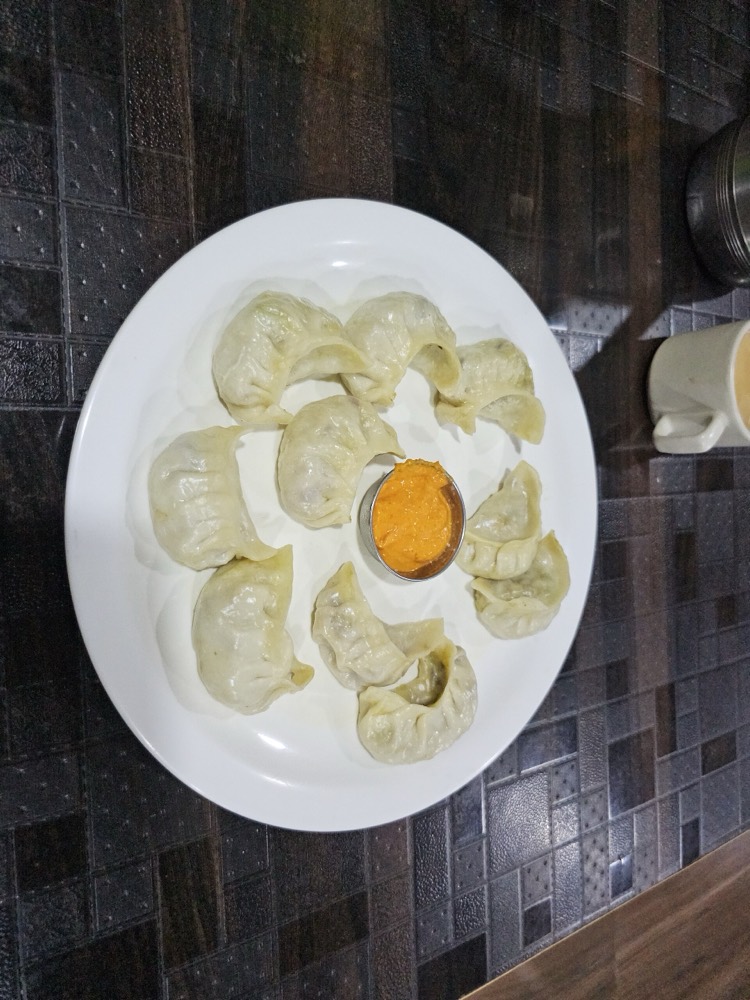
Vegetable
Watch water release and cut size. A cohesive, drained mixture seals more reliably than a wet, loosely chopped one.
Use texture, cooking method, filling and sauce—not menu names alone—to understand the plate, order confidently and diagnose common faults.
A menu can list a dozen momo names while using only a few underlying techniques. Begin with texture. Steamed momos are soft and moist; kothay momos combine a soft upper wrapper with a pan-crisped base; fried momos are crisp across most of the surface; chilli momos are defined by a wok sauce; jhol momos arrive in a seasoned broth; and tandoori-style momos use dry heat and a spiced coating after the dumpling is formed.
This approach prevents a common ordering mistake: expecting the filling to change when the menu name mostly describes the finishing method. Ask which fillings are available, whether the dumplings are steamed before the second cook, how spicy the sauce is, and whether the chutney contains sesame, soy, peanuts or dairy. Those questions reveal more than a photograph.
| Style | Surface | Moisture | Sauce role | Best use |
|---|---|---|---|---|
| Steamed | Soft and slightly glossy | High inside, none added outside | Chutney served beside it | Judging wrapper and filling quality |
| Kothay | Soft top, crisp base | Juicy interior | Usually a side dip | Texture contrast without deep frying |
| Fried | Crisp and browned | Lower surface moisture | Dip balances richness | Immediate service and snack-style eating |
| Chilli | Sauced exterior | Moist from glaze | Central to the dish | Bold Indo-Chinese flavour |
| Jhol | Soft in broth | Highest overall | Broth is part of every bite | A spoonable, warming meal |
| Tandoori-style | Dry-roasted or charred coating | Depends on pre-cook | Marinade supplies flavour | Smoky spice and drier service |
No style is automatically “better.” The correct choice depends on the desired texture, travel time, sauce preference and how clearly you want to taste the filling. Steamed and kothay styles usually survive a short pause better than a fully sauced chilli plate, while fried momos lose their crispness when sealed in a steamy takeaway box.
A filling must hold together during pleating, release enough moisture during cooking and remain pleasant when hot. Vegetable fillings often use cabbage, onion, carrot, spring onion, mushrooms or paneer. The main technical problem is excess water: salted vegetables release liquid, which can weaken the wrapper and dilute seasoning. Chop consistently, drain when necessary and season close enough to filling time that the mixture does not sit in a pool.
Meat fillings require stricter raw-to-cooked separation and verified thorough cooking. Minced chicken, buffalo, mutton or pork appears in different regional and restaurant interpretations; availability and cultural preference vary. Fat and finely cut aromatics can improve tenderness, but the recipe must remain cold during preparation and must follow an appropriate time-temperature control. Do not taste a raw filling to adjust seasoning. Cook a small sample separately, taste it, then correct the uncooked batch with clean utensils.
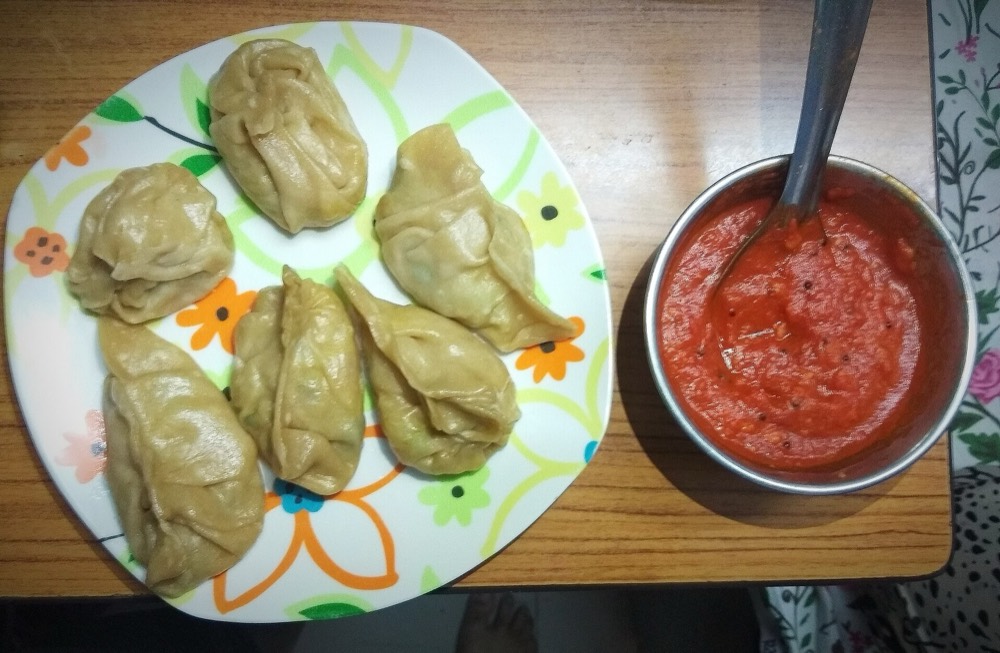
Paneer and other cheese-based fillings are not simply “vegetarian meat replacements.” They absorb seasoning differently and can become dry if the cubes are too large or the finishing heat is aggressive. A mixed vegetable-paneer filling needs enough chopped vegetable and aromatic material to bind the cheese into the parcel.
Watch water release and cut size. A cohesive, drained mixture seals more reliably than a wet, loosely chopped one.
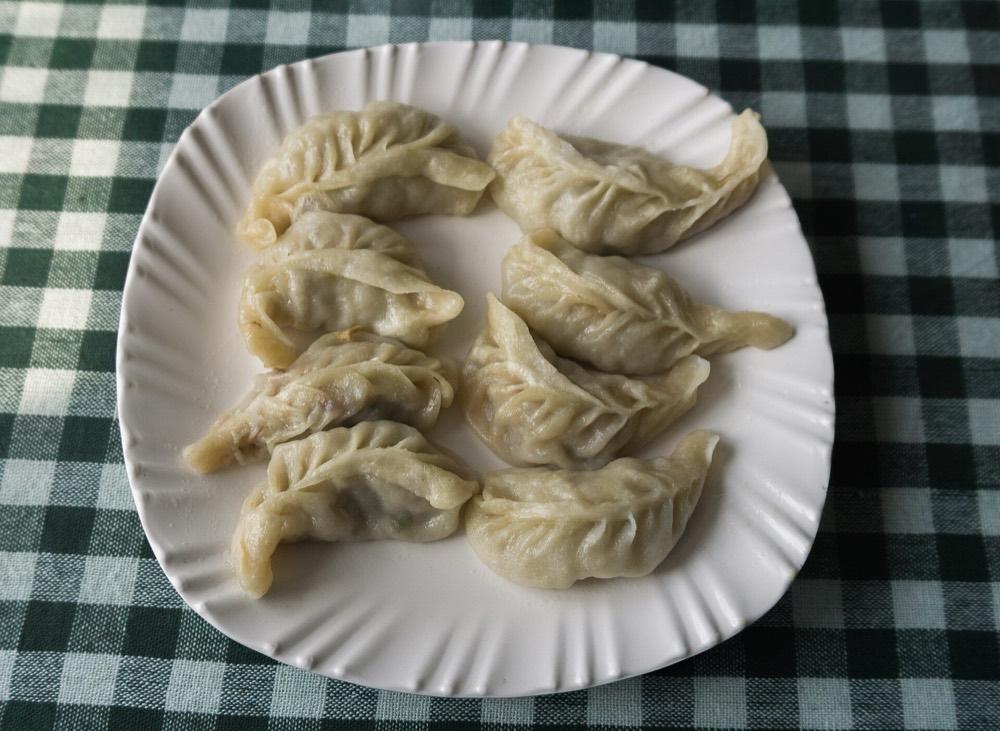
Keep cold, prevent cross-contamination and verify cooking. Juiciness never replaces a validated safety process.
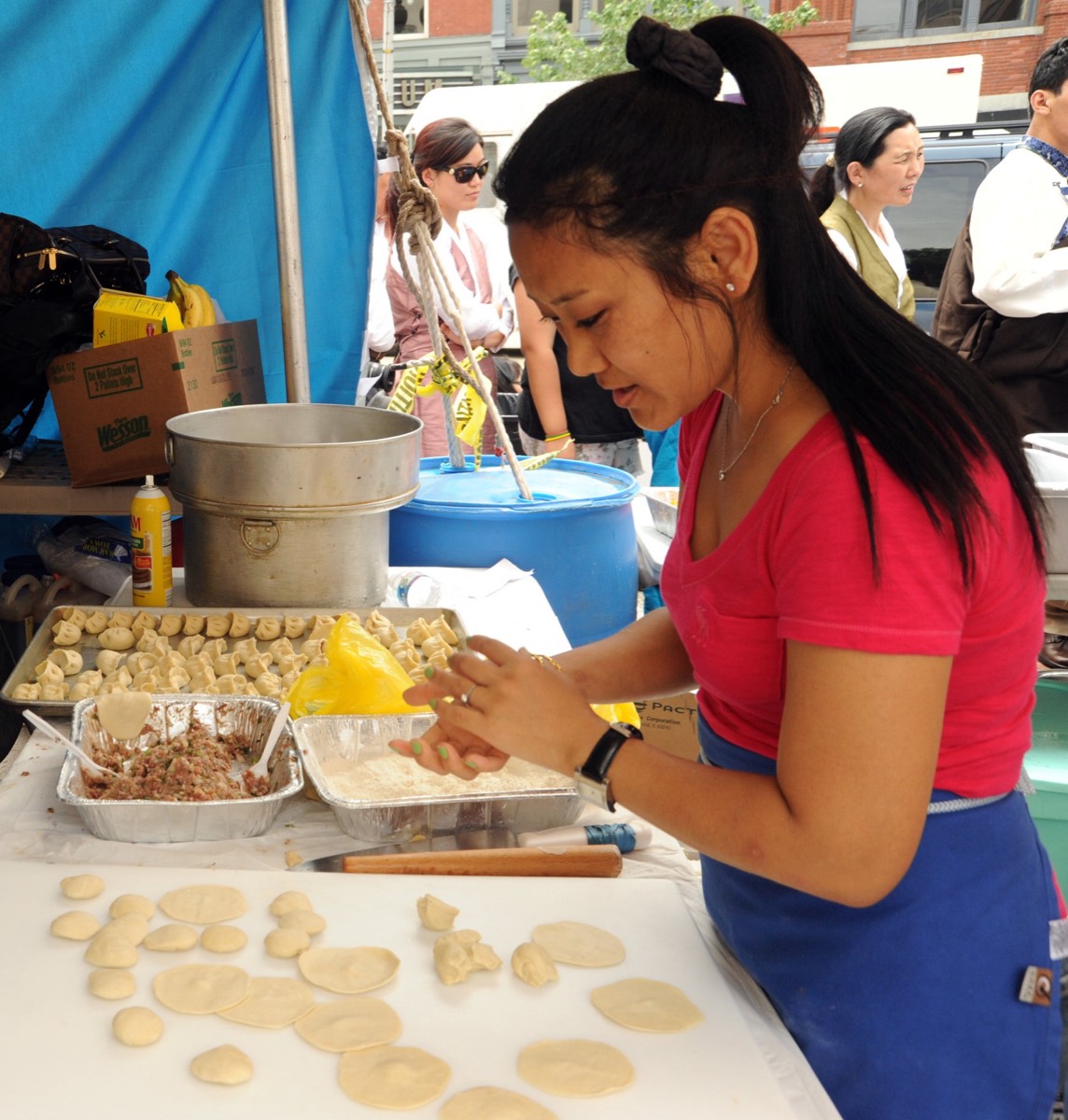
Balance the cheese with aromatics and moisture so the filling stays integrated rather than crumbly or dry.
Jhol is not merely “extra chutney.” It is a broth or thin sauce designed to surround the momos and be eaten with a spoon. The liquid changes the entire balance: salt, acidity and spice must work at bowl volume, not just as a dab on one bite.
| Symptom | Likely causes | What to check next |
|---|---|---|
| Thick, chewy wrapper | Disc rolled too thick; undercooking; dry dough | Compare centre and rim thickness, rest time and steam strength |
| Open seam | Wet or oily edge; overfilling; dry rim | Reduce portion, clean the edge and test one pleating pattern |
| Watery vegetable filling | Vegetables released liquid after salting | Drain, season later and shorten holding before filling |
| Dry filling | Lean recipe; long cook; coarse particles | Check portion size, cook time and recipe moisture |
| Soggy fried momo | Low oil temperature or enclosed holding | Fry smaller batches and vent takeaway packaging |
| Chilli sauce slides off | Too thin or dumplings overly wet | Drain the base momo and reduce the glaze before tossing |
Diagnose one cause at a time. If dough hydration, filling moisture, portion size and cook time all change together, the next batch cannot teach you what worked. The FAQ expands on freezing, reheating and allergen questions.
For a first visit, a steamed plate plus a separate chutney is often the most informative choice. It reveals wrapper thickness, seam quality and filling seasoning. After establishing that baseline, kothay or chilli momo shows how well the kitchen controls a second cooking stage.
This guide compares preparation categories; recipes and names vary by region and business. It does not certify a vendor, prescribe a commercial process or replace allergen information from the person who prepared the food.