Momo questions answered without the guesswork
Detailed answers about ingredients, pleating, cooking methods, storage, allergens, food safety, food carts and business due diligence.
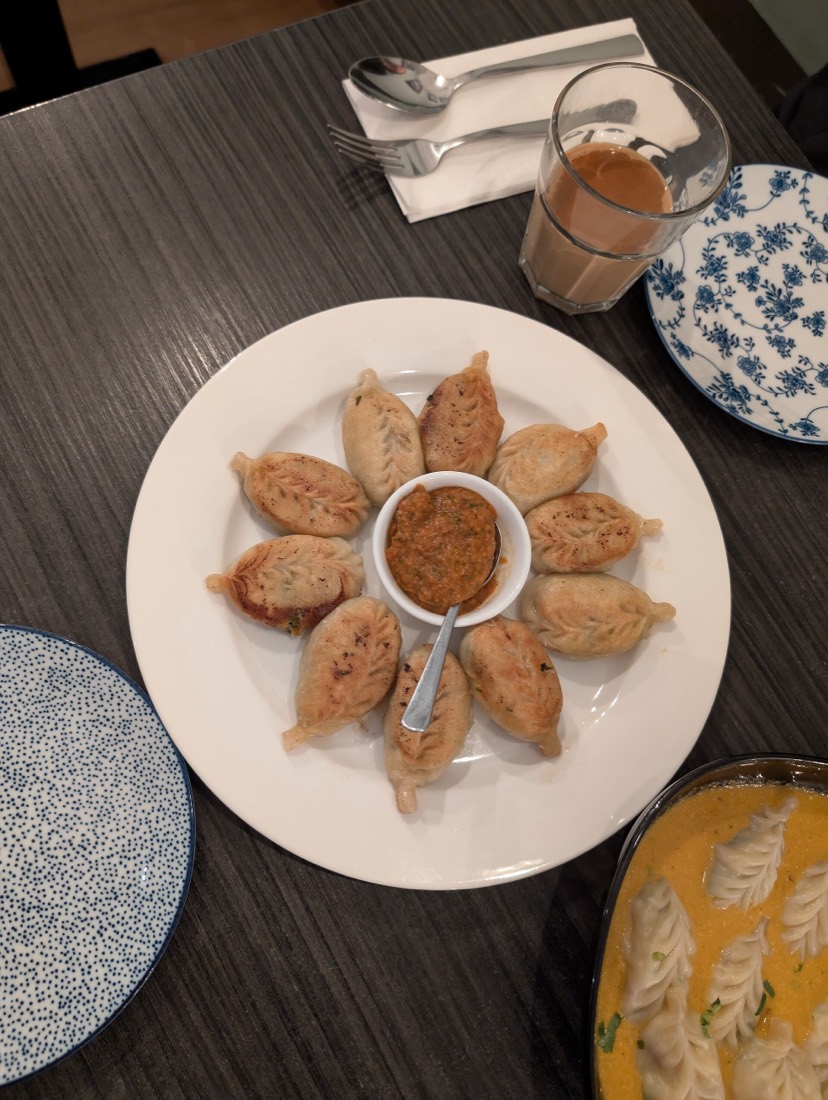
Start with the basic definition
A momo is a filled, sealed dumpling closely associated with Tibetan and Nepalese culinary traditions and now prepared in many regional styles across South Asia. A wheat-based wrapper usually encloses seasoned vegetables, paneer or meat. The dumpling is commonly steamed, but it may receive a second treatment such as pan-searing, frying, roasting, immersion in jhol or tossing in chilli sauce.
Names vary between regions and menus, so technique is a better guide than labels alone. Ask how the momo is cooked, what filling it contains, how the sauce is served and which allergens appear in every component.
Ingredients and preparation
What is a momo wrapper made from?
Most wrappers use wheat flour and water, sometimes with salt or a small amount of oil. Recipes vary. Because wheat normally contains gluten, diners with coeliac disease or wheat allergy should not assume a momo is suitable unless the maker provides reliable ingredient and cross-contact information.
Why does the wrapper become thick and chewy?
The disc may be rolled too thick, especially at the centre; the dough may be dry or insufficiently rested; or the dumpling may be undercooked. Compare one variable at a time. A flexible rested dough, a thinner centre-to-rim profile appropriate to the pleat and consistent steam usually improve the result.
Why do momos open in the steamer?
Common causes include too much filling, oil or liquid on the sealing edge, a dry rim or uneven pleats. Keep the rim clean, reduce the portion and close the full circumference before placing the momo in the steamer. Overcrowding can also make dumplings stick and tear during removal.
How can vegetable filling stay juicy without leaking?
Use consistent chopping, manage high-water vegetables and avoid leaving salted filling to release liquid for an uncontrolled period. Drain when necessary, keep the mixture cool and fill soon after final seasoning. Juicy means moisture remains bound inside the cooked filling; it does not mean liquid should pool in the raw bowl.
Can a raw meat filling be tasted for seasoning?
No. Cook a small sample separately, taste that cooked sample, then adjust the uncooked batch using clean utensils. Keep raw filling away from cooked food, chutney, packaging and ready-to-eat surfaces.
Cooking methods and serving
What is the difference between steamed and kothay momo?
Steamed momo has a soft wrapper across the surface. Kothay momo is typically steamed and pan-seared so the base becomes crisp while the upper wrapper stays soft. The two-stage method creates contrast but requires the seam to survive both steam and pan contact.
Are fried momos simply uncooked dumplings dropped into oil?
Methods vary, but many kitchens pre-cook or partially cook before frying. A business should use a validated process that thoroughly cooks the filling without burning the wrapper. Colour alone does not prove centre doneness.
What is jhol momo?
Jhol momo is served in a seasoned liquid, often based on tomato, sesame, chillies and aromatics, though recipes vary. The jhol is part of the dish rather than a small side dip, so its salt, acidity and heat must work at bowl volume.
What is chilli momo?
Chilli momo uses cooked dumplings tossed with an Indo-Chinese-style chilli-garlic sauce, often with onion and capsicum. The sauce is central to the flavour. For takeaway, prompt service and appropriate packing matter because a wet glaze softens the wrapper.
Which style is best for a first tasting?
A steamed plate with chutney on the side gives the clearest view of wrapper texture, pleating and filling seasoning. Once the baseline is good, kothay tests pan control and chilli momo tests sauce balance.
Storage, reheating and food safety
Can momos be frozen?
Many recipes freeze uncooked dumplings in a single layer before transferring them to protected storage, but a commercial process needs validated time, temperature, labelling, shelf-life and cooking instructions. Do not thaw perishable food at room temperature. Follow local guidance and the controls appropriate to the filling.
How should cooked momos be reheated?
Reheat thoroughly using a method that restores moisture without leaving a cold centre. Steam often protects wrapper texture better than dry microwave heating. Commercial operators must use a validated reheating and holding procedure rather than a generic household time.
How long can filling or cooked momos sit at room temperature?
There is no safe universal answer for every climate, recipe and operation. Use applicable food-safety rules, controlled holding and a documented discard limit. WHO guidance emphasizes keeping food at safe temperatures and refrigerating perishable food promptly.
Which allergens may appear?
Wheat in the wrapper is common. Sauces and fillings may contain sesame, soy, peanuts, dairy, egg or other ingredients. Frying oil and shared utensils can create cross-contact. Ask about the complete recipe and preparation environment, not only the named filling.
What are the WHO Five Keys to Safer Food?
They are: keep clean; separate raw and cooked; cook thoroughly; keep food at safe temperatures; and use safe water and raw materials. They form a useful baseline but do not replace a site-specific food-safety plan.
Food-cart and business questions
Does YO MOMO sell a franchise or food cart?
No. YO MOMO is an independent educational site. We do not operate a restaurant, sell equipment, broker franchises or collect investment leads. The business and cart pages provide frameworks for evaluating real opportunities.
Is a momo cart automatically cheaper than a kiosk?
No. Compare the whole operating model. A cart may reduce floor area but still needs permission, utilities, safe water, waste handling, weather protection, compliant fuel or power, storage and transport. A strong kiosk location can outperform a weak cart pitch.
What should be tested before buying equipment?
Test paid demand, menu fit, preparation capacity, service time, packaging, waste, ingredient supply, compliance route and contribution per order. Use borrowed, rented or temporary compliant equipment where appropriate before committing to a permanent format.
What should a franchise buyer verify?
Verify the legal counterparty, trademark authority, full agreement, all fees, mandatory suppliers, territory, renewal and exit terms. Rebuild the economics with local quotes, speak with current and former operators, and use independent legal and accounting advice.
Where are Indian registration requirements checked?
FSSAI’s official Food Safety Compliance System, FoSCoS, provides eligibility, registration and licensing information. Local municipal, vending, fire, waste, landowner and establishment rules may also apply to the exact location and equipment.
Quick diagnostic table
| If you observe | Check first | Then read |
|---|---|---|
| Wrapper cracks before pleating | Dough hydration and covered rest | Momo quality framework |
| Plate becomes soggy in takeaway | Venting and sauce separation | Style comparison |
| Cart queue grows despite spare steamer space | Order capture and batch release | Service workflow |
| Business looks profitable only at full capacity | Downside volume and fixed cost | Unit economics |
Sources and medical boundary
For a diagnosed allergy, coeliac disease or medical diet, rely on a qualified clinician and complete ingredient/cross-contact information from the food preparer.