How to build food-safety controls into momo production
Map the full process from receiving to handoff and turn general safety principles into observable controls, records and corrective actions.
Map hazards to the actual momo process
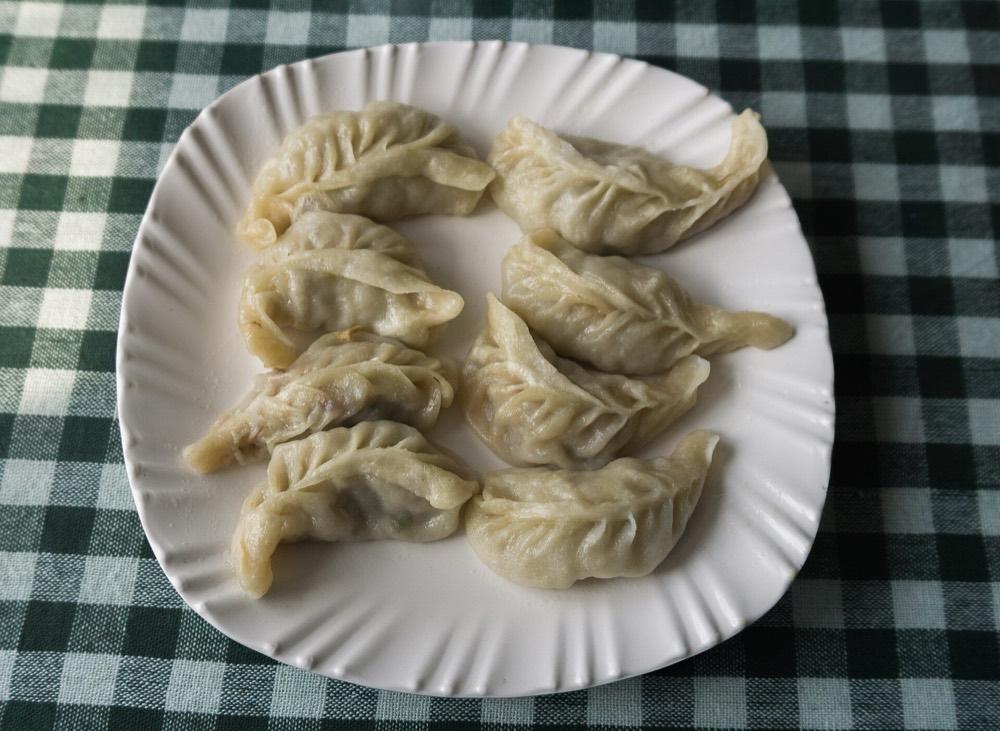
Momo production combines moist filling, hand shaping, batch cooking, condiments and sometimes a second cook. The relevant hazards depend on the recipe and format. Raw meat introduces cross-contamination and thorough-cooking controls. Fresh vegetable filling introduces washing, water and time-temperature questions. Sesame, wheat, soy, dairy, egg, peanuts or other ingredients create allergen obligations. A mobile cart adds utility, dust, weather and limited-space risks.
The control plan should follow the product through receiving, storage, washing, cutting, mixing, dough preparation, portioning, pleating, cooking, finishing, packing, holding and handoff. If a stage is missing from the map, its hazards and cleaning needs are likely missing too.
Apply the WHO Five Keys to a momo workflow
| WHO key | Momo application | Evidence to keep |
|---|---|---|
| Keep clean | Handwashing, clean food-contact surfaces, protected ingredients, pest and waste control | Opening check, cleaning schedule and corrective-action record |
| Separate raw and cooked | Raw meat tools and storage do not cross chutney, cooked momos or packaging | Layout, colour coding, observation and training demonstration |
| Cook thoroughly | Validated batch method reaches the required centre condition | Time-temperature or equivalent verified record |
| Keep safe temperatures | Control filling, cooked product, sauces and leftovers through defined limits | Calibrated thermometer, logs and discard action |
| Use safe water and raw materials | Potable water, approved suppliers and sound ingredients | Supplier records, receiving checks and water provision |
The Five Keys are memorable principles. An operation must translate them into who does what, when, with which tool, against which limit and what happens after a failure.
Receiving and cold-chain decisions
Accept ingredients only from sources appropriate to the business and inspect condition, packaging, labelling and temperature where required. Move perishable filling ingredients to controlled storage promptly. A delivery left beside the prep table while other tasks continue is an uncontrolled holding period.
Organise storage to prevent raw products dripping or contacting ready-to-eat foods. Label opened and prepared items with an identity and the dates or times required by the control system. Do not depend on staff remembering which unlabelled bowl was made first.
| Receiving question | Accept when | Reject or isolate when |
|---|---|---|
| Is the supplier and item identifiable? | Record and label match the order | Source or product identity cannot be verified |
| Is packaging intact? | Clean, closed and undamaged | Leak, swelling, contamination or broken seal |
| Is required temperature controlled? | Within the operation’s validated acceptance limit | Limit is exceeded or measurement is unavailable |
| Can it be stored immediately? | Capacity and labelled space are ready | Delivery would overload safe storage |
Prevent cross-contamination during preparation
- Separate by space or time. Raw meat work should not overlap with ready-to-eat chutney or cooked-food packing on the same uncleaned surface.
- Control hands. Define when hands must be washed and how gloves, if used, are changed. Gloves do not make phone or cash contact clean.
- Control utensils. Boards, knives, bowls, scoops and cloths need clear identity and effective cleaning and sanitising.
- Protect the sealing line. Pleating is high-contact work. Keep ingredients cold as required, hands clean and finished trays protected.
- Move in one direction. Raw receiving and prep should progress toward cooking and clean handoff rather than loop backward across the room or cart.
Observe the busiest fifteen minutes, not only the opening demonstration. Cross-contamination often appears when the queue grows and one person touches raw filling, a steamer lid, a payment screen and a serving box in quick succession.
Verify cooking rather than guessing from colour
Wrapper translucency, steam, browned surfaces and clear-looking juice are not universal proof of a safely cooked centre. Establish a validated batch process for each filling, size, starting condition, equipment load and cooking method. Use an appropriate calibrated thermometer and record checks as required by the system.
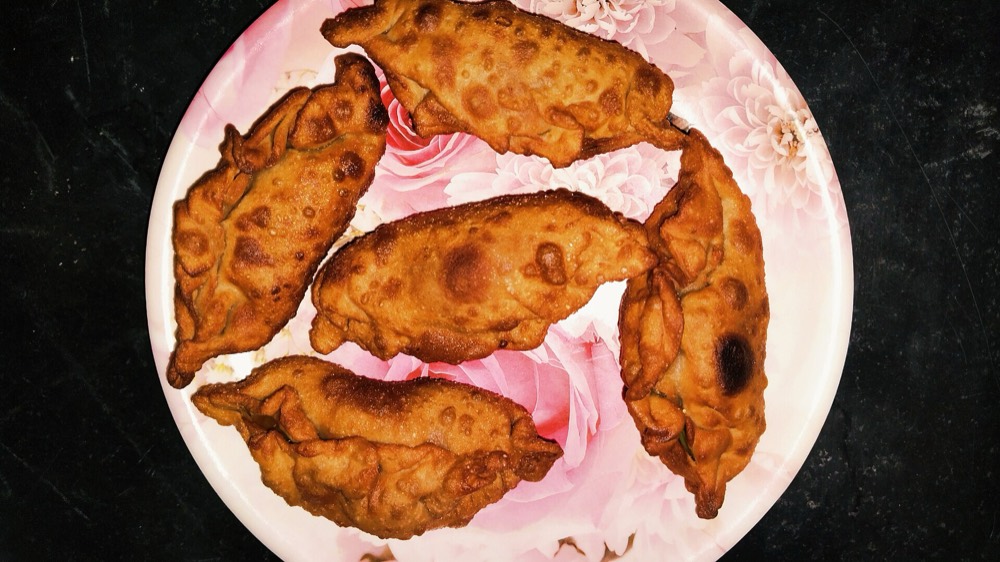
Second-stage methods need special attention. Frying or wok tossing may brown the outside quickly, but the initial cooking stage still needs to deliver a safe centre. Frozen, chilled and freshly prepared batches may not behave identically. Do not silently substitute one starting state for another.
When a check fails, isolate the affected batch, correct the process and document what happened. Averaging a failed reading with a later good one does not make the original batch safe.
Allergen information must cover every component
A diner may ask whether a vegetable momo contains dairy while the larger risk sits in a wheat wrapper, soy-seasoned filling, sesame chutney or shared fryer. Build the allergen map across wrapper, filling, seasoning, cooking oil, dusting flour, sauce, garnish and cross-contact route.
| Component | Possible allergen questions | Control |
|---|---|---|
| Wrapper | Wheat/gluten, egg in some recipes | Current written recipe and supplier label |
| Filling | Soy, dairy/paneer, egg or recipe-specific ingredients | Batch identity and substitution control |
| Chutney or jhol | Sesame, peanut, soy, dairy | Labelled containers and dedicated utensils where required |
| Fryer or pan | Cross-contact with other menu items | Accurate communication about shared equipment |
| Garnish | Seeds, nuts, sauces | Include garnish in the declared recipe |
Never promise “allergen-free” from memory. If cross-contact cannot be controlled, explain the limitation so the customer can make an informed decision with appropriate medical advice.
Opening, service and closing records
- Opening: verify water, handwash, cold storage, thermometer function, clean surfaces, ingredient labels, fuel or power safety, pest condition and waste capacity.
- Service: record required temperatures or batch checks, corrective actions, sauce holding, allergen requests, stock changes and any interruption to water or power.
- Closing: apply discard rules, protect retained ingredients, clean and sanitise, remove waste, secure utilities, inspect equipment and record maintenance.
- Review: a responsible person checks records for repeated drift rather than storing unread paperwork.
A blank perfect-looking log can be weaker evidence than a log that records a real failure and a correct response. The purpose is operational control and learning, not decorative compliance.
Incident and complaint response
Preserve the order details, batch identity, ingredient records, staff information and relevant temperature or cleaning evidence. Do not alter records after the fact. Isolate suspect product and follow the reporting, withdrawal or recall obligations that apply to the business. A customer illness complaint deserves a calm, documented response rather than an argument or automatic admission without facts.
- Corrective action
- The immediate response that brings a failed control back within the defined system.
- Root cause
- The underlying reason the failure occurred, such as layout, training, equipment or supplier drift.
- Traceability
- The ability to connect a served product to its ingredients, batch and handling history.
- Verification
- Independent confirmation that the control system is operating as intended.
Official sources and freshness
- WHO: Five Keys to Safer Food.
- WHO Five Keys manual.
- FSSAI FoSCoS and licensing regulations compendium.
Requirements and portal categories can change. Verify the current official material and obtain a qualified, site-specific food-safety plan. The cart guide shows how to apply these controls in a compact mobile format.