How to plan a safer, testable momo food cart
Turn the cart idea into an operating plan: verify the pitch, map clean workflow, simplify the menu, measure the queue and pilot before expanding.
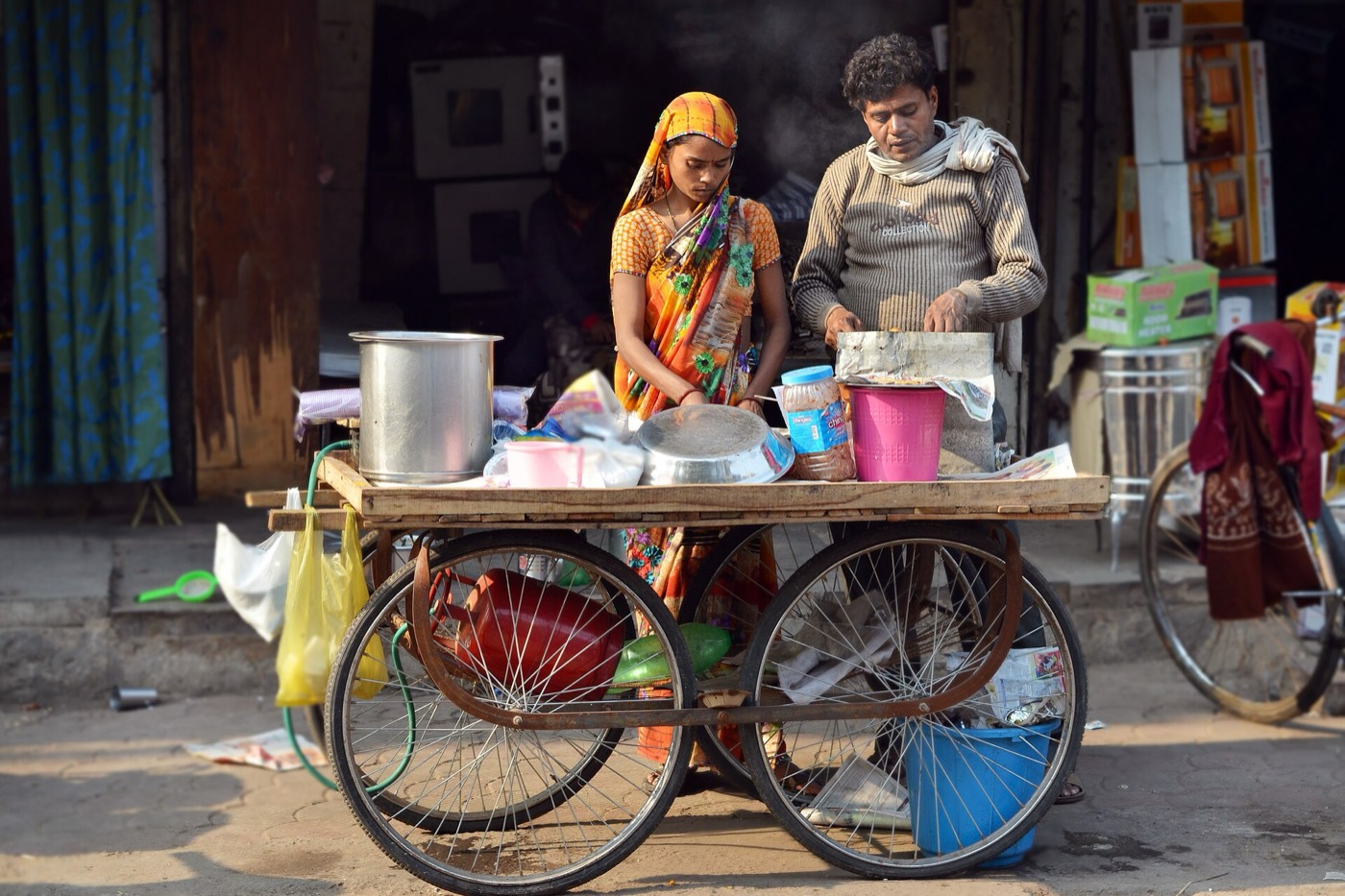
A good cart begins with a legal, serviceable pitch
Mobility sounds like the defining advantage of a food cart, but a successful day still depends on a specific place: permission to trade, enough relevant footfall, safe access to water and power or fuel, waste removal, weather protection and room for customers to queue without creating a hazard. A beautiful cart in an unauthorised or low-demand pitch is not a business model.
Evaluate the location by time block. Count the people who match the product, observe how long they can stop, note competing snacks and record weather exposure. Office exits may produce a short evening surge; colleges may have price-sensitive peaks; markets may offer long dwell time but more direct competition. Repeat counts on several comparable days before using them in a forecast.
Location scorecard
| Factor | Measure | Strong signal | Warning |
|---|---|---|---|
| Relevant footfall | People passing by 15-minute block | Repeatable peak aligned with opening hours | One exceptional event treated as normal |
| Stopping behaviour | Existing queues, dwell time and seating | People already buy handheld food nearby | Fast traffic with nowhere safe to stop |
| Permission | Written authority for pitch and activity | Term, hours and conditions are clear | Reliance on an informal verbal assurance |
| Utilities | Potable water, handwash, power or fuel, drainage | Safe capacity for full service and cleaning | Extension leads, water cans or cylinders without an approved plan |
| Waste | Storage and collection route | Covered bins and reliable removal | Waste accumulates beside prep or customers |
| Weather | Sun, rain, wind and heat by service period | Protected operator, food and queue | Steam, flame or signage exposed to strong wind |
Score each factor with written evidence. Do not let high footfall compensate for an impossible compliance or utility condition. A location that fails the permission or safe-water gate should not advance until the problem is resolved.
Plan the cart as five working zones
- Protected storage. Chilled ingredients, dry goods, packaging and chemicals need separate, secure locations. Nothing should rest on the ground.
- Handwashing and hygiene. The operator needs accessible handwashing with safe water, soap and hygienic drying without crossing hot equipment.
- Cooking. Steamers, burners and fryers require stable mounting, heat shielding, ventilation, fire controls and an approved fuel or power arrangement.
- Finishing and packing. Cooked momos, chutney, garnish and packaging belong in a clean zone protected from raw ingredients and customer contact.
- Handoff and payment. Money and phones are contamination vectors. Design payment so the same hands do not move directly from cash or screens to ready-to-eat food.
Draw the operator’s hand movements during a real order. If the person turns repeatedly, reaches across flame, touches the payment device mid-portion or crosses dirty utensils over cooked food, the layout needs revision. A compact cart can be efficient, but only when each movement has a home.
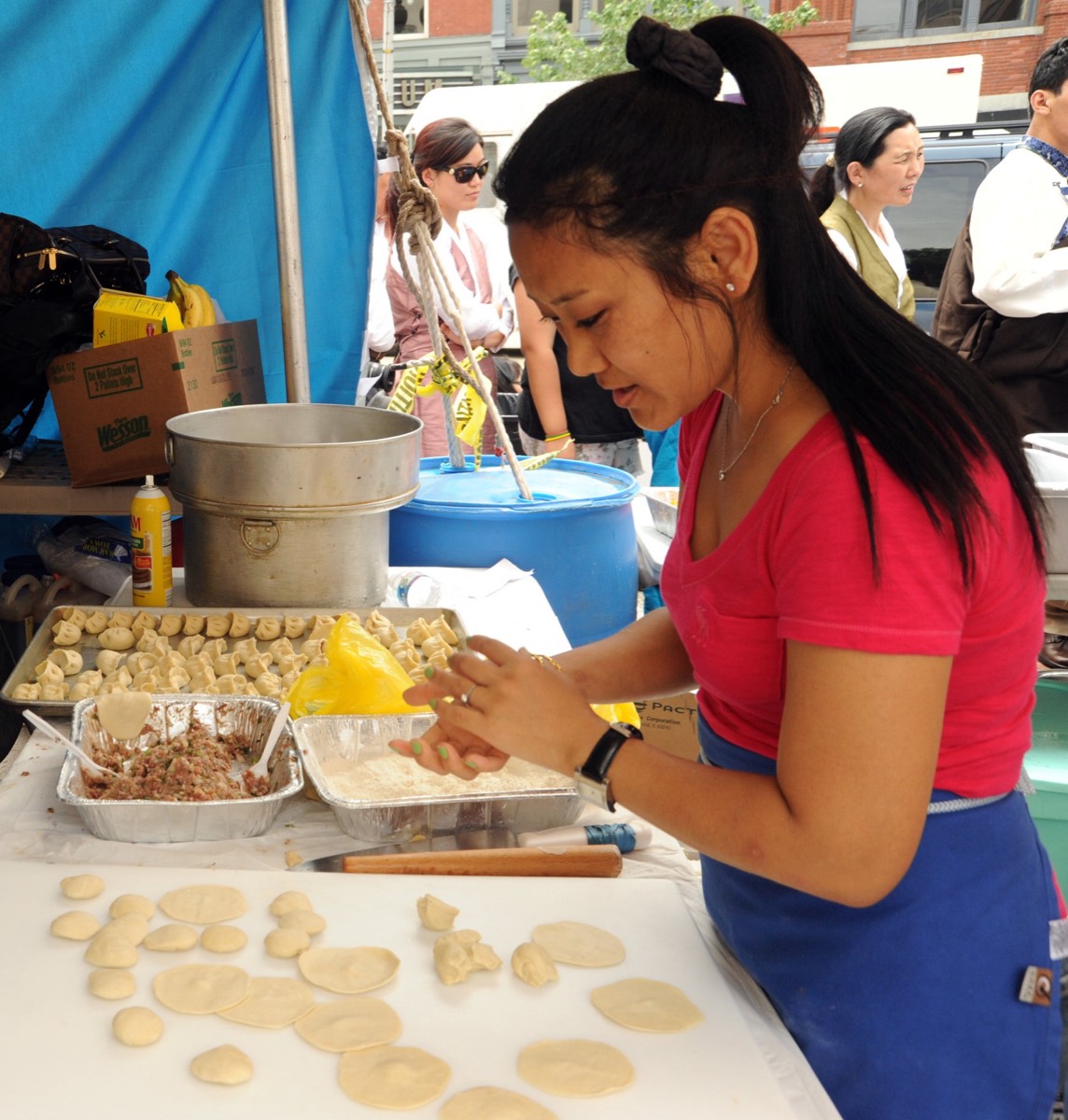
Build the minimum viable menu
A cart menu should fit the equipment and queue. Every extra filling, sauce and finishing method adds storage, labels, utensils, training, allergens and decision time. Begin with one vegetarian and one non-vegetarian filling only if safe separation is genuinely possible. Offer a steamed baseline and at most one second finish, plus clearly labelled sauces.
| Menu element | Operational question | Keep when | Remove when |
|---|---|---|---|
| Second filling | Can it be stored and handled separately? | Demand and separation justify it | It creates slow turnover or cross-contact risk |
| Fried finish | Can oil, fire safety and waste oil be controlled? | The cart is designed and approved for frying | Fryer is an improvised add-on |
| Chilli toss | Is there a safe wok zone and fast cleaning? | Peak queue can absorb the extra stage | It blocks the only cook station |
| Multiple chutneys | Can each be held, labelled and discarded safely? | They have distinct demand and controls | Low turnover increases waste |
| Combo drink | Does it add contribution without prep congestion? | Sealed product stores safely and sells | Cold storage displaces food controls |
Service workflow from order to handoff
A fast line does not mean rushing every task. It means placing work in the correct sequence. Prep and portion before the peak under safe conditions. At order time, identify the style and filling, start a known batch, mark the order, finish with the correct sauce, pack, then hand off. The order identifier must stay with the food, especially where vegetarian, meat and allergen requests coexist.
Measure four times: customer wait, steamer cycle, finishing time and total order completion. If waiting grows while the steamer is partly empty, order capture or batch release may be the problem. If steamers are always full but the queue still grows, pleating capacity or menu complexity may be limiting output. If finished food waits for payment, move the payment step earlier or assign a separate handler during peaks.
- Cycle time
- Time required for one batch to complete a station.
- Throughput
- Saleable orders completed in a defined period.
- Bottleneck
- The stage whose capacity limits the whole system.
- Work in progress
- Orders or batches started but not yet ready for handoff.
Daily food-safety controls
Translate general safety principles into opening, service and closing evidence. Opening checks confirm potable water, handwash supplies, cold holding, clean food-contact surfaces, protected ingredients, thermometer function and waste capacity. Service checks track batches, separation, cooking, holding and sauce condition. Closing checks discard food according to the documented rule, clean and sanitise, remove waste, secure fuel and record maintenance.
WHO’s Five Keys provide the baseline: keep clean, separate raw and cooked, cook thoroughly, keep food at safe temperatures and use safe water and raw materials. The precise controls depend on the menu and equipment. A cart handling raw chicken has different hazards from one receiving fully prepared vegetarian momos from an approved kitchen.
Cash, reusable cloths, phones, menu boards and condiment bottles are often missed because they are not thought of as “food equipment.” Observe what hands touch between clean tasks. Replace habits with a layout and staffing rule that can be demonstrated during a busy period.
A fourteen-day pilot plan
- Days 1–2: confirm legal route, pitch conditions, utilities and menu hazards before public service.
- Days 3–4: run closed production trials; measure yield, pleating rate, cooking cycle, cleaning time and packaging quality.
- Days 5–7: open limited hours with a small menu; log every order, wait, waste item, stockout and customer question.
- Days 8–10: change only the largest measured constraint—layout, batch release, packaging or menu—then compare the same time blocks.
- Days 11–13: retest demand and process under realistic peak conditions without relaxing safety controls.
- Day 14: calculate actual contribution, sustainable hourly capacity and the conditions required to continue.
A pilot is not a grand opening. Its purpose is to produce evidence cheaply. Set stop rules in advance: no trading without permission, no unsafe utility workaround, no menu item whose control fails at peak, and no expansion based on social attention without paid repeat demand.
If the cart is one option among several, compare it against kiosk and delivery formats in the momo business planning guide. Use the styles guide to simplify the production stages.
Official sources and limitations
- FSSAI FoSCoS eligibility criteria — current categories for hawkers, mobile vendors and temporary or fixed stalls.
- FSSAI licensing regulations compendium — registration and hygiene requirements.
- WHO Five Keys to Safer Food manual — practical food-handling framework.
Local vending, land-use, fire, fuel, waste and municipal requirements differ. Confirm the current rules for the exact pitch, menu and equipment before spending or operating.