Independent culinary guide

Momos explained from wrapper to service

A practical, source-backed guide to momo structure, cooking methods, chutneys, troubleshooting and safer handling—for curious diners, home cooks and small food operators.

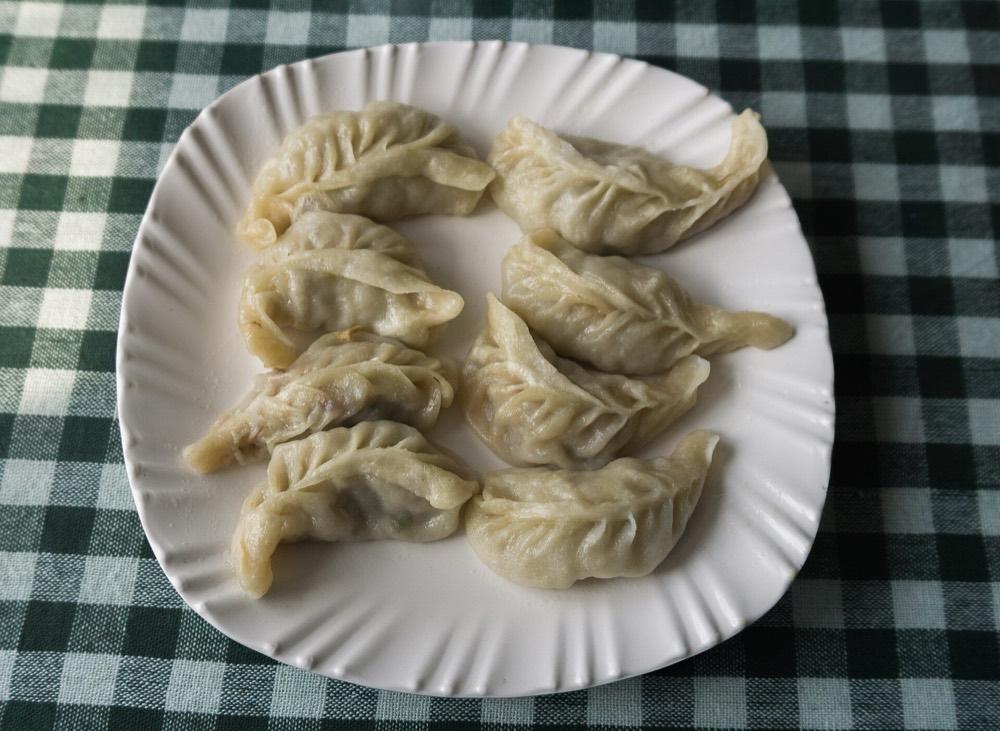
A plate of steamed momos showing pleated wrappers
Wrapper, filling, closure and cooking method work as one system.

What makes a momo different from an ordinary dumpling?

A momo combines a thin wheat-based wrapper, a compact savoury filling and a pleated seal that keeps moisture inside while the dumpling cooks. The name covers a family of preparations rather than one fixed recipe. The dumpling may be steamed, pan-seared after steaming, fried, served in a sesame-tomato broth, or tossed with an Indo-Chinese sauce. The common thread is a sealed parcel designed to cook quickly and pair with an assertive achar or chutney.

Momos are closely associated with Tibetan and Nepalese culinary traditions and are now everyday food across much of South Asia. Nepal Tourism Board describes momo as a widely enjoyed Nepali fast food, commonly steamed but also fried, served in soup as jhol momo, or prepared as chaat. That range explains why two plates can look different while still belonging to the same culinary family.

Wrapper
A flexible sheet that must stretch around the filling without tearing.
Filling
A seasoned mixture whose moisture and particle size affect juiciness and sealing.
Pleat
The folded closure that distributes tension around the top or edge.
Achar
A condiment that supplies heat, acidity, nuttiness or aroma beside the dumpling.

Use evidence, not folklore, to improve a batch

Momo advice often arrives as a fixed command—add more water, knead longer, steam until the wrapper turns translucent, or use a specific number of pleats. Those instructions may work inside one recipe but fail when the flour, filling, size, equipment or climate changes. A stronger method connects a visible symptom to the variable that can cause it. Dry radial cracks point toward hydration, rest or exposure. A wet seam points toward filling moisture or contamination of the rim. A dense crown points toward rim thickness and stacked folds. A cold centre points toward starting condition, size, load and heat transfer.

Write down batch conditions before changing them. Record ingredient weights, filling temperature, dough rest, portion sizes, number of dumplings in the steamer, cook time and the exact defect. Then alter one cause. This small experiment creates knowledge that transfers to the next service, whereas changing water, filling and cook time together produces a result with no clear explanation.

The dedicated wrapper and dough guide expands this diagnostic approach from mixing through steam testing, while the chutney and jhol guide applies the same method to body, heat, acidity and sauce holding.

Read ingredients by function, not only by name

A momo recipe becomes easier to adapt when each ingredient has a job. Flour builds the wrapper structure; water makes that structure workable; rest allows moisture to distribute and the dough to relax. The filling combines flavour, moisture, fat, texture and binding. Aromatics and seasoning should support the filling rather than release so much liquid that the seam becomes difficult to close. Achar or jhol then adds contrast after cooking: acidity cuts richness, chilli adds heat, toasted seeds or nuts can add body, and liquid controls whether the condiment clings or pours.

ComponentMain functionSignal to observeAdjustment principle
Wrapper flour and waterCreate a sheet that can roll thin, stretch around filling and hold steam.Dry cracks, spring-back, tearing or a dense cooked bite.Change hydration gradually, rest covered and compare equal test pieces before adding more flour.
Vegetable fillingProvide texture, aroma and moisture without flooding the seam.Free liquid in the bowl, wet wrapper edges or a dry cooked centre.Control cutting, salting, draining and time between mixing and wrapping.
Meat fillingHold seasoning and moisture in a cohesive portion that cooks through safely.Loose mixture, greasy separation or uneven centre doneness.Keep it cold, portion consistently and use a validated cooking check rather than colour alone.
Pleated closureDistribute tension and keep steam or juices inside the parcel.Open seams, a thick dough crown or filling on the rim.Leave a clean border, keep the rim even and use fewer controlled folds before chasing decorative pleat counts.
Achar, chilli sauce or jholBalance the dumpling with heat, acidity, aroma and the right degree of body.Flat flavour, harsh heat, watery separation or a sauce that hides the filling.Correct one axis at a time and judge it with the finished momo, not from the spoon alone.

Function-based thinking prevents blind substitutions. Two flours, cabbages or chillies can behave differently because their absorption, water content or heat differs. Instead of assuming that the same volume must produce the same result, preserve the intended function and observe the dough, mixture or sauce. This is also why weight-based notes are more transferable than instructions such as “one bowl” or “a little water.”

For a first controlled comparison, make one baseline dough and divide it only after mixing. Change one filling treatment or one rolling thickness while keeping portion weight, steamer load and cook method constant. The difference in the finished batch then points to a cause rather than to a collection of simultaneous changes.

Balance wrapper, filling and portion size as one system

A wrapper cannot be judged in isolation. A thin disc may cook delicately around a small, cohesive filling but split when overloaded with a wet mixture. A thicker disc may be easier for a beginner to close, yet stacked pleats can produce a dense crown. The useful target is not “as thin as possible.” It is the thinnest repeatable wrapper that contains the chosen filling through shaping, transfer and cooking.

Standardization starts with a small sample, not an assumption. Weigh ten dough portions and ten filling portions, then examine their spread rather than only their average. One oversized momo in a batch can cook differently and distort the judgment of the whole steamer. If a few wrappers repeatedly tear, inspect whether those dough portions dried on the bench or whether the filling scoop varied before rewriting the dough formula.

Keep the centre of the wrapper slightly more supportive than the edge. The edge must remain flexible enough to overlap during pleating, while the centre bears the filling during lifting. Flour on the rolling surface should prevent sticking without coating the rim so heavily that the folds cannot bond. Cover unused dough and finished wrappers because surface drying creates cracks that extra force cannot repair.

Momo wrappers prepared for consistent filling and pleating
Consistent dough and filling portions make cooking results comparable.

Diagnose pleats and seals from the failure pattern

A failed seam contains information. Where it opens, when it opens and what appears around it can distinguish a shaping problem from a filling or cooking problem. Photograph the defect before pulling the momo apart, then inspect the wrapper thickness and filling condition at the failure point.

Failure patternLikely causes to testNext controlled check
Fine cracks radiate from the pleats before cookingDry rim, insufficient rest, too much bench flour or the wrapper being held uncovered.Cover the next equal portion, extend rest and compare its fold against the original batch.
The seam slips apart while shapingOil, filling or free vegetable liquid has contaminated the rim; the edge may also be too thick to bond.Wipe one rim clean, use a smaller cohesive filling portion and close it with fewer folds.
The top opens only during steamingIncomplete closure, trapped tension, crowding or a wrapper weakened during transfer.Steam a small evenly spaced batch and mark the seam position before cooking.
The crown is chewy while the lower wrapper is tenderToo much dough has accumulated in decorative folds.Use fewer, wider pleats on the same wrapper and filling weight.
The side tears and filling escapesThe centre was rolled too thin, the portion was too large, or a sharp filling piece pressed through.Inspect the tear from inside, then compare a slightly smaller or more evenly cut filling portion.

More pleats are not automatically better. Pleat count is a visual convention and a handling choice, while closure integrity is the functional requirement. Beginners often improve faster by making fewer repeatable folds with a clean edge. Once the seam survives consistently, refine symmetry without changing the dough, filling and fold count at the same time.

Transfer is part of sealing. A momo can leave the hand intact and tear when lifted from a floured board, placed on an unprepared steamer surface or pressed against another dumpling. Prepare the receiving surface before shaping begins, leave enough working space, and use the same transfer motion during the comparison batch.

Choose the cooking method for the texture and service moment

Cooking style changes more than colour. It changes how quickly the wrapper loses moisture, how the surface holds sauce, how easy the centre is to verify and how long the finished momo remains at its intended texture. Select the method for the result and service pattern, then keep batch size and starting condition consistent.

Desired experienceUseful methodControl pointService consequence
Soft wrapper and clearest view of the fillingSteamStable steam, spacing, uniform size and centre doneness.Serve promptly so condensation and holding do not make the surface wet.
Soft upper wrapper with a crisp baseSteam, then controlled pan-searDry enough contact surface, moderate browning and no sticking.Plate the crisp side where trapped steam will not immediately soften it.
Crunch across most of the wrapperFry with a procedure suited to the product and equipmentSafe oil handling, consistent starting condition and centre doneness.Short holding is important because internal steam migrates into the crust.
Broth-led, spoonable momoAdd cooked momos to jhol near serviceBroth balance and exposure time.Long soaking can soften the wrapper; assemble for the intended eating time.
Glossy, sauce-coated finishToss cooked momos briefly in prepared chilli sauceSauce body, pan heat and gentle handling.The sauce must coat without tearing or saturating the wrapper.

Frozen and freshly shaped momos are different starting conditions. Do not assume that a time developed for one transfers unchanged to the other. Equipment also changes heat transfer: steamer material, basket depth, load, burner output and how often the lid opens all influence the process. Establish a local procedure with a small uniform batch, verify centre doneness and document the exact starting condition.

Colour is not a universal safety signal. Steam can cook a pale wrapper thoroughly, while intense surface browning can occur before a large or cold centre is ready. When meat or another higher-risk filling is used, follow an authoritative local food-safety procedure and verify it with appropriate equipment. The momo food-safety guide explains how receiving, separation, temperature control, records and corrective action fit together.

Build chutney and jhol around balance, body and holding

A momo condiment has to work with the dumpling, not only taste dramatic on its own. Begin by identifying the job: a bright dipping achar, a thick chilli coating or a pourable jhol. Then tune heat, acidity, savoury depth, aroma and body in that context. A sauce that seems aggressively acidic by itself may balance a rich filling, while the same sauce can dominate a mild vegetable momo.

Change one axis at a time. If the flavour is flat, first ask whether it lacks salt, acidity or aroma before adding more chilli. If heat is harsh, dilution alone may make the sauce watery; rebuilding body and acidity can produce a more integrated result. If separation appears during holding, inspect ingredient preparation, blending, temperature and the ratio of solids to liquid rather than hiding it with an unrelated thickener.

Use a simple tasting grid with the finished momo: initial aroma, perceived heat, acidity, savoury depth, body, aftertaste and whether the filling remains recognizable. Record the result for each momo style because a fried wrapper, steamed wrapper and broth service interact differently with the same condiment.

Chutney is usually ready-to-eat, so keep its preparation separated from raw filling work. Use clean equipment and safe water and ingredients, control perishable components, and follow the local procedure for holding and storage. The detailed chutney, chilli sauce and jhol guide provides a function matrix, fault diagnosis and allergen-control prompts.
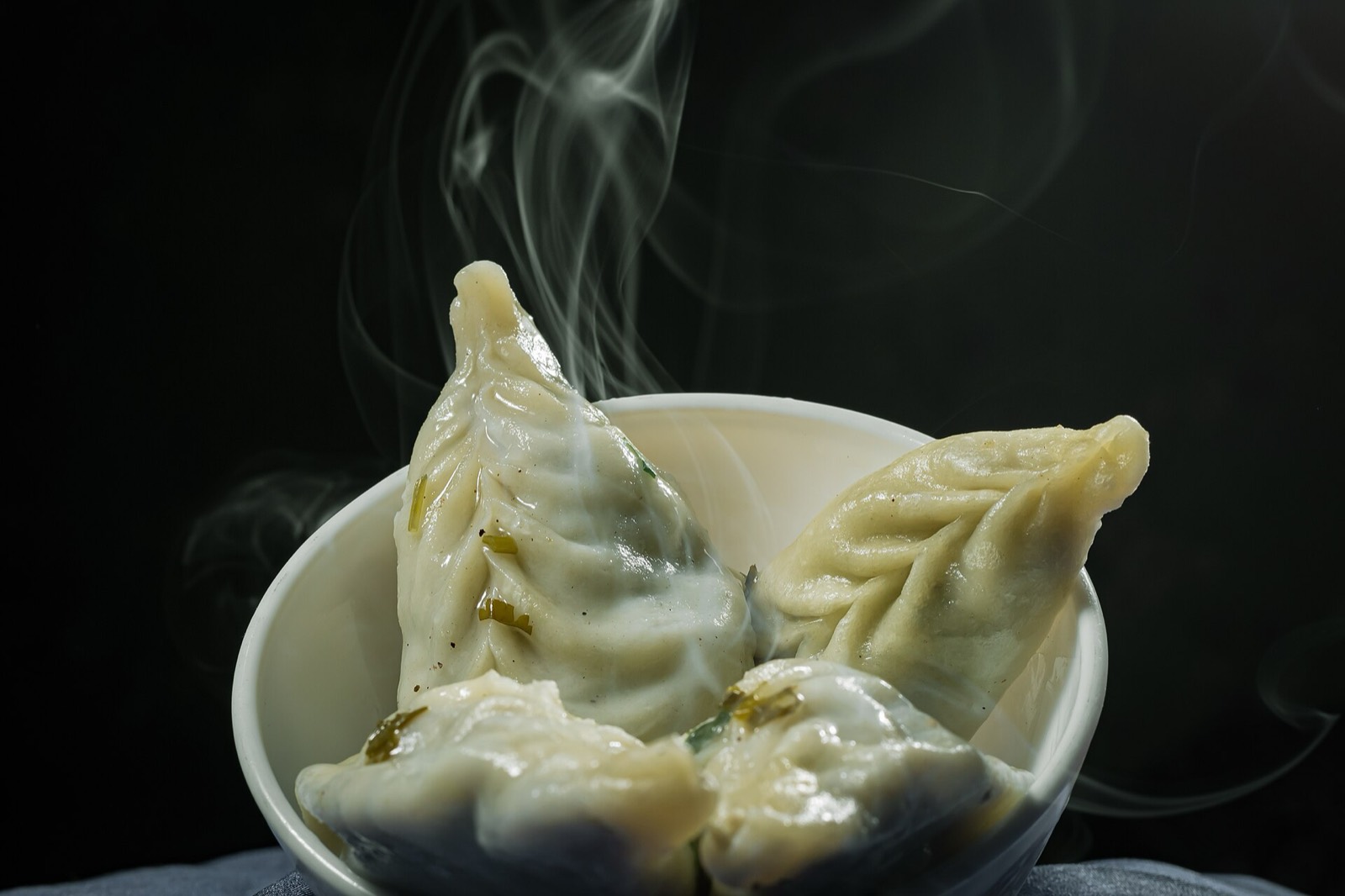
Momos coated with a balanced chilli sauce
Judge heat, acidity and body together with the finished momo.

Scale from a home batch to repeatable small service

Scaling is not simply multiplying every ingredient. The process changes when more filling waits at room temperature, more wrappers are exposed to air, the steamer carries a heavier load and finished food waits for collection. Before increasing volume, map the sequence from receiving through storage, preparation, shaping, cooking, service and cleaning. Identify the point that cannot safely or consistently keep pace.

Standardize the unit

Define the dough portion, filling portion, fold method, tray arrangement and batch identification. Sample weights during preparation rather than assuming that the first ten portions remain representative. A standard unit creates comparable cooking and cost records.

Separate work zones

Arrange raw-filling, wrapper, cooking and ready-to-eat condiment tasks so tools and hands do not cross casually between them. The layout should make the safe action easy even during a queue, not depend on staff remembering an awkward exception.

Control the bottleneck

Observe whether rolling, filling, steaming, pan finishing, payment or packing limits throughput. Adding menu variants to a constrained station increases waiting and inconsistency. Simplify the offer before buying equipment that does not address the actual bottleneck.

Run a paid pilot with a deliberately limited menu and service window. Record starting inventory, units prepared, units sold, waste, remakes, average order, queue peaks, batch times and the defects customers or staff report. Separate demand evidence from compliments: a person saying that they would buy is not the same as a completed order at the proposed price and location.

Build unit economics from observed portions and real supplier costs. Include ingredients, sauces, packaging, payment fees, fuel or power, labour time, waste and the capacity of the service format. Do not convert an optimistic busy-hour rate into a daily forecast without accounting for preparation, cleaning and slower periods. The momo business guide supplies a due-diligence framework, while the food-cart guide maps equipment zones, location scoring and a two-week pilot.

The four-variable momo quality framework

A good result comes from balancing dough, filling, closure and heat—not from maximizing any single feature.

VariableUseful targetFailure signalPractical correction
Wrapper hydrationSoft enough to roll without dry cracksCracked rim or floury seamRest the dough covered; add water gradually rather than flooding it
Filling moistureJuicy but cohesiveLiquid leaking before cookingDrain watery vegetables and keep chilled fillings cold
Seal integrityContinuous closed edgePleats opening in steamKeep oil and filling away from the sealing rim
Heat transferConsistent steam or controlled pan contactDense wrapper, raw centre or scorched basePreheat equipment and cook in uniform batches

This framework is more reliable than judging only by colour. A pale steamed momo can be fully cooked, while a browned fried momo can still have an undercooked centre if the oil is too hot. For meat fillings, use a food thermometer and a validated safety procedure instead of relying on appearance alone. WHO’s general safe-food guidance emphasizes thorough cooking, separation of raw and cooked foods, clean equipment, safe temperatures and safe water.

How the main momo styles compare

The cooking method changes the surface and service experience more than the basic construction. Steaming keeps the wrapper soft and makes faults easy to diagnose. Pan-searing adds a crisp base without making the whole wrapper brittle. Deep-frying creates the most crunch but also makes holding time important because a fried shell softens as steam migrates outward. Jhol adds broth and turns the plate into a spoonable meal. Chilli momo uses a second wok stage, so the sauce must coat the dumplings without soaking through them.

Steamed momos with a smooth wrapper

Steamed

Best for tasting wrapper texture, filling seasoning and fresh achar. Choose this style when you want the clearest expression of the base dumpling.

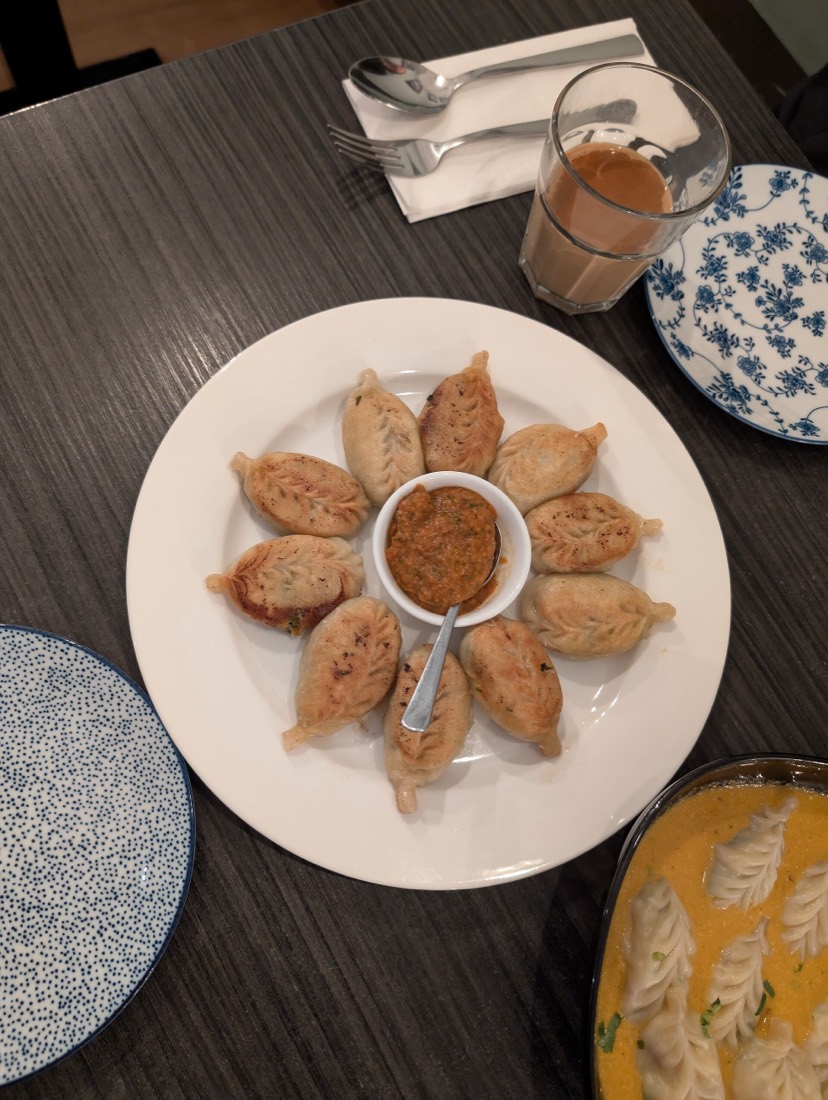
Pan-seared momos with a crisp lower surface

Kothay

Steamed and then pan-seared, giving a soft upper wrapper and a browned base. It offers contrast without full deep-frying.

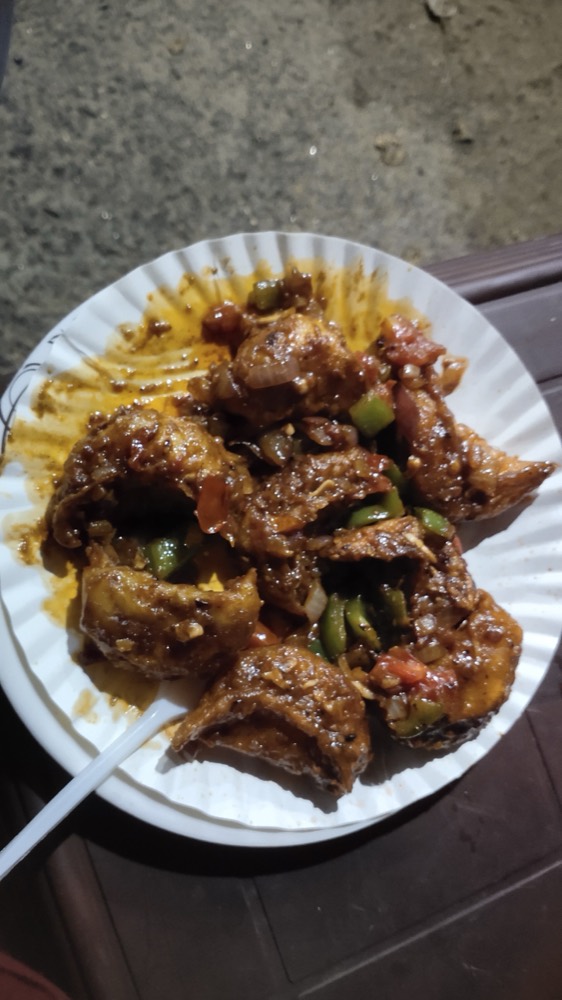
Momos coated in chilli sauce with vegetables

Chilli

A sauce-forward preparation with onion, capsicum and chilli-garlic flavours. It is less useful for judging the subtle filling by itself.

Use the full momo style decision guide

A practical first-batch workflow

  1. Choose one baseline. Start with a steamed vegetable or chicken filling before adding multiple sauces and cooking methods. A single baseline makes faults visible.
  2. Prepare the filling first. Chill it while the dough rests. Cold filling is easier to portion and less likely to wet the rim during pleating.
  3. Standardize portion size. Weigh several wrappers and filling portions until the hand can reproduce them. Uniform dumplings cook at the same rate.
  4. Steam a small test batch. Check seam strength, wrapper bite, centre doneness and seasoning. Change one variable at a time.
  5. Record the result. Note dough hydration, rest time, portion weights, batch size and cook time. A repeatable note is more valuable than a vague “good batch.”

The same sequence works for a home cook and a small food operator. The scale differs, but the logic is identical: control inputs, observe the output and change one cause at a time. Our momo troubleshooting FAQ maps common symptoms to likely causes.

Food safety belongs inside the recipe

Food safety is not a final inspection added after cooking. It starts when raw ingredients enter the prep area. Separate raw meat from ready-to-eat chutneys and cooked momos. Use clean water, washable utensils and a documented cleaning routine. Keep perishable fillings under controlled temperature, and avoid returning cooked food to a surface or tool that touched raw ingredients.

The WHO Five Keys to Safer Food provide a useful baseline: keep clean; separate raw and cooked; cook thoroughly; keep food at safe temperatures; and use safe water and raw materials. A business also needs to follow local regulation. In India, FSSAI’s FoSCoS portal is the official place to check which registration or licence category applies to a food operator, including hawkers, mobile vendors and temporary stalls.

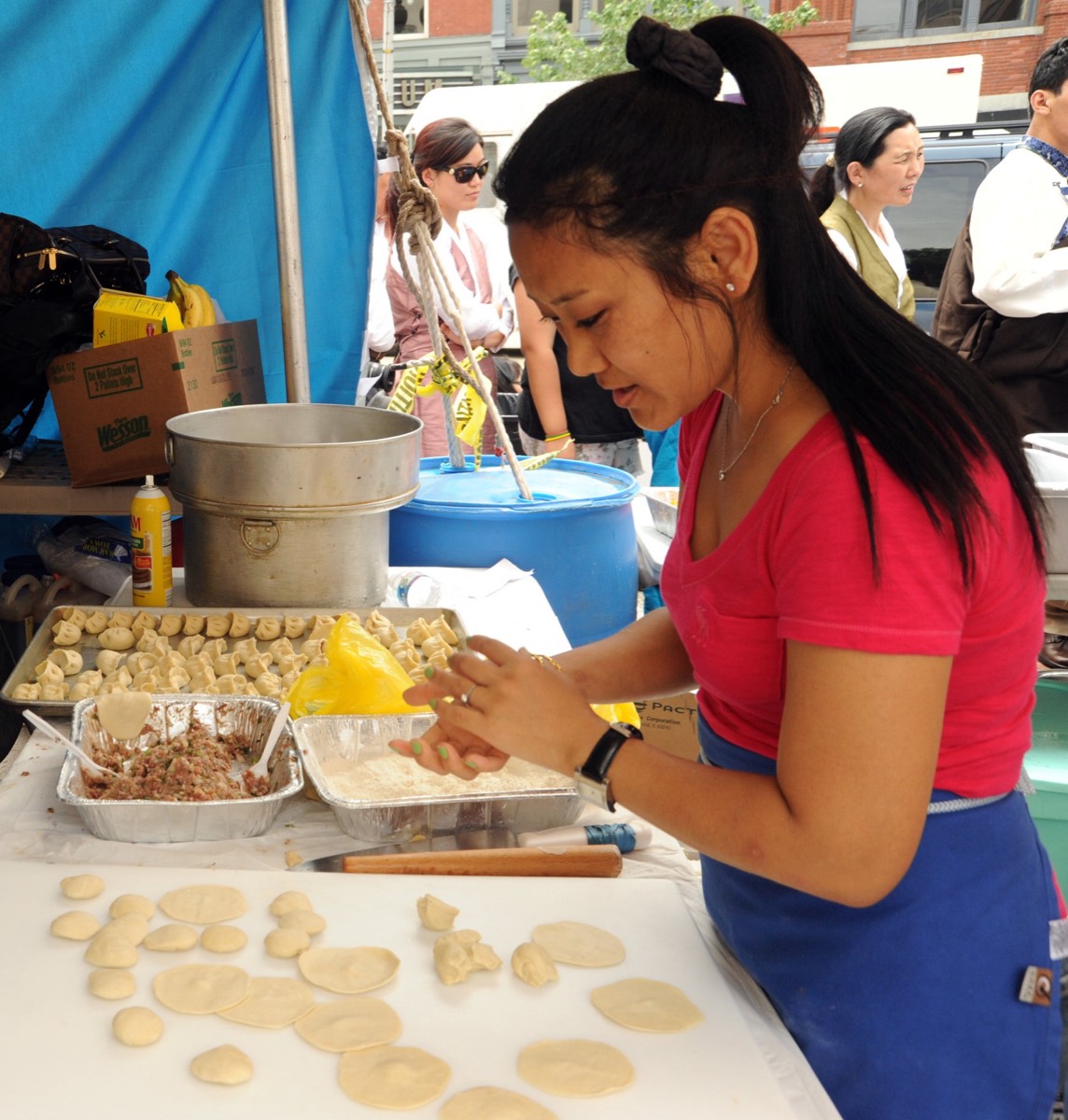
Hands shaping momo wrappers during preparation
Design the prep sequence so raw, ready-to-eat and cooked work do not cross.

Where to go next

Choose a style

Compare steamed, kothay, fried, chilli, jhol and tandoori-style preparations by texture, sauce load and service timing.

Open the styles guide →

Plan a small operation

Use a demand, workflow, compliance and unit-economics framework before spending money on a brand or fit-out.

Open the business guide →

Test a mobile cart

Map equipment zones, service flow, location quality and daily controls for a cart or compact stall.

Open the food-cart guide →

Sources and review notes

Facts checked and page reviewed on 26 July 2026. Recipes and local legal requirements vary; verify operational decisions with the relevant authority and a qualified food-safety professional.