How to balance momo chutney, chilli glaze and jhol
Separate dips, glazes and broths, then control body, heat, acidity, aroma, allergens, holding and service texture.
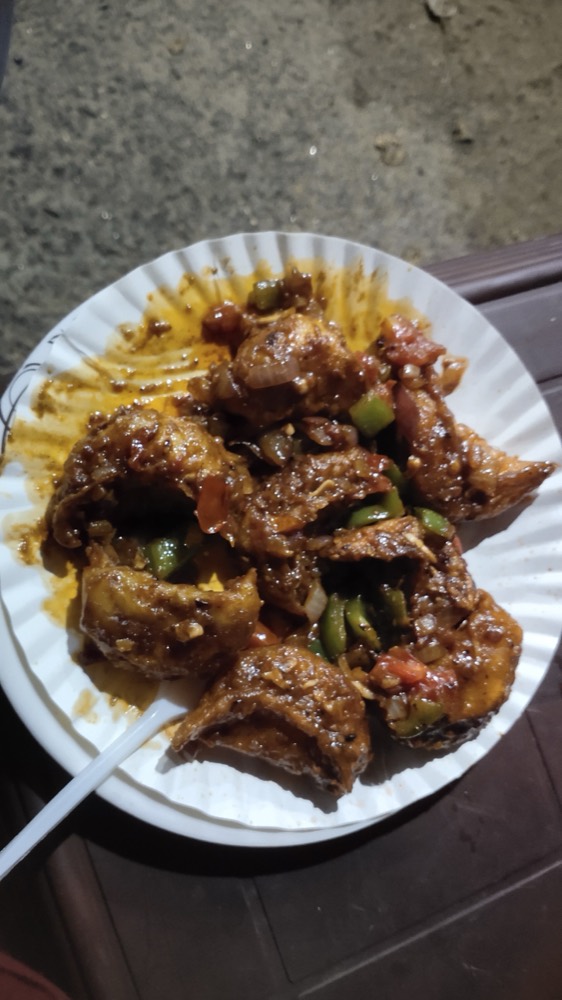
Separate dip, glaze and broth
Momo condiments fall into different functional groups. A side achar or chutney adds concentrated flavour one bite at a time. A chilli glaze coats the full surface during a wok finish. Jhol surrounds the dumplings as a seasoned liquid eaten by the spoonful. Treating all three as “sauce” hides the balance and food-safety decisions that make each one work.
A concentrated dip can carry more salt, heat and acidity because the diner uses a small amount. A broth must remain balanced across an entire bowl. A glaze needs enough body to cling without turning the wrapper wet and pasty. Define the service role before adjusting ingredients.
- Achar
- A broad condiment category that can be fresh, cooked, fermented or pickled depending on tradition and recipe.
- Chutney
- A blended or crushed condiment balancing aromatic, acidic, hot and sometimes sweet or nutty elements.
- Glaze
- A reduced or thickened sauce designed to coat during finishing.
- Jhol
- A seasoned liquid or broth served around the momo as part of the full dish.
Build flavour with an EAV matrix
| Attribute | Possible values | Function | Control question |
|---|---|---|---|
| Body | Tomato, sesame, peanut, broth, reduced aromatics | Controls thickness and mouthfeel | Will it dip, cling or pour? |
| Heat | Fresh chilli, dried chilli, chilli oil | Sets intensity and aroma | Can heat be adjusted without breaking balance? |
| Acidity | Tomato, citrus, vinegar, fermented notes | Cuts richness and sharpens flavour | Does the acid support or dominate? |
| Nuttiness | Sesame, peanut or seed components | Adds body and roasted depth | Is the allergen declared and controlled? |
| Aromatics | Garlic, ginger, coriander, spring onion, spices | Creates the identifiable top notes | Will raw aroma remain harsh after holding? |
| Sweetness | Ingredient sweetness or added sugar | Rounds heat and acidity | Is sweetness balancing rather than masking? |
Use the matrix to diagnose balance, not to force every value into one recipe. A sesame-tomato jhol may need body, heat, acid and aroma, while a direct red chilli dip can stay simpler. More ingredients do not guarantee more clarity.
Design a tomato-chilli side condiment
Tomato supplies body, acidity and sweetness; dried or fresh chilli supplies heat; garlic and ginger supply aroma. Roasting or cooking can soften raw edges and concentrate flavour, while a fresh blend can taste brighter but requires careful cold holding. The target is a condiment that moves cleanly from spoon to momo without flooding the plate.
- Choose the tomato treatment. Raw, blanched, roasted and cooked tomato produce different water content and aroma.
- Set heat separately. Add chilli in measured stages so a hotter batch does not accidentally become saltier or more acidic.
- Build aroma. Garlic, ginger and herbs should be recognisable without leaving one harsh raw note.
- Correct body. Reduce excess water by ingredient treatment or controlled cooking, not by random thickener.
- Test with the actual momo. A dip that tastes balanced alone may overpower a subtle vegetable filling.
Record the yield after cooking or draining. Condiment food cost and batch planning depend on saleable output, not only the raw ingredient weight.
Sesame and nut-based sauces require allergen control
Sesame can give jhol and achar a creamy body without dairy. Peanuts or other nuts may appear in some interpretations. These ingredients create a serious communication and cross-contact responsibility. A generic phrase such as “house sauce” does not tell a diner what they need to know.
| Control | Practical evidence | Failure to avoid |
|---|---|---|
| Recipe identity | Written ingredient and supplier specification | Staff guessing from colour |
| Storage label | Name, preparation date and allergen statement | Unlabelled squeeze bottle |
| Utensils | Dedicated or effectively cleaned equipment | Shared spoon moving between sauces |
| Customer answer | Access to the complete current recipe | Promising “allergen free” without cross-contact evidence |
| Change control | Updated information when a supplier or recipe changes | Old menu statement after substitution |
If the operation cannot control a severe allergen request, say so plainly. False reassurance is more dangerous than a careful limitation.
Turn a dip into a balanced jhol
Jhol changes the concentration target. Thin a side condiment without rebalancing it and the result may taste watery rather than brothy. Begin with a safe liquid base, then rebuild salt, acidity, heat and aroma at bowl strength. The broth should remain enjoyable after several spoonfuls and should not erase the filling.
Texture also matters. A very thick jhol behaves like gravy and sits on the wrapper; a very thin one runs away from the bite. Sesame or tomato solids can create suspension, but the batch must remain consistent from first bowl to last. Stirring procedure, serving utensil and holding conditions belong in the method.
Serve the jhol at the temperature defined by the recipe’s safe process. Do not repeatedly warm and cool a large batch during service. Portion strategy and batch size should support controlled holding and conservative discard.
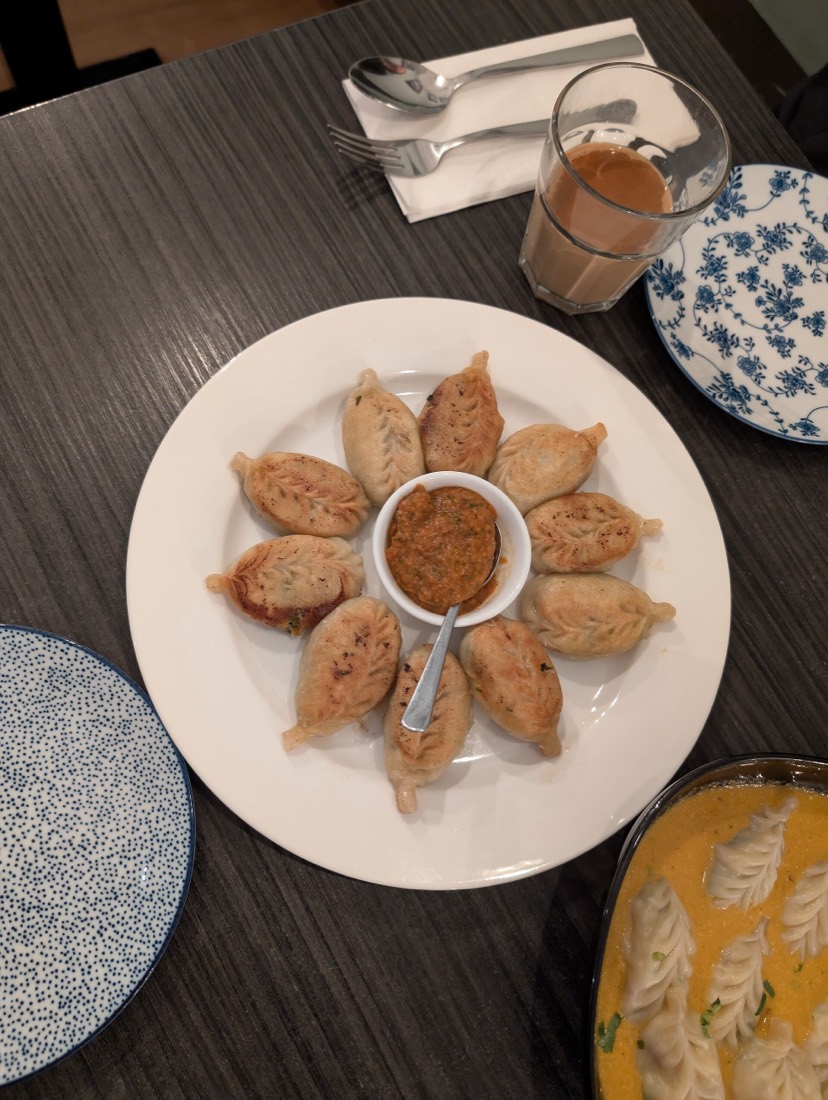
Chilli momo glaze: coat without soaking
A chilli finish typically combines cooked momos with aromatics, vegetables and a chilli-garlic sauce in a hot pan or wok. The base dumpling must be drained, the pan must have enough heat for the batch and the glaze must reduce to coating consistency before prolonged contact destroys the wrapper.
- Prepare and measure the sauce before the order peak.
- Cook aromatics and vegetables to the intended texture.
- Reduce watery sauce before adding the momos.
- Add a controlled batch and toss just long enough for even coating.
- Serve promptly or package with realistic venting and travel expectations.
If sauce pools under the finished momos, check reduction, batch size and moisture on the dumpling surface. Adding more thickener can hide the symptom while creating a pasty sauce; fix the water source first.
Holding, labelling and discard decisions
Fresh tomato, herb, garlic, sesame and other moist condiments can support microbial growth depending on the complete recipe and process. A commercial operator needs a validated preparation, holding and shelf-life system. “It contains chilli” or “it tastes acidic” is not proof of safety. Keep batches protected, labelled and at the required controlled temperature.
WHO’s general safe-food framework applies: keep clean, separate raw and cooked, cook thoroughly where the process requires cooking, keep food at safe temperatures, and use safe water and raw materials. For a cart, sauce handling must remain safe despite heat, dust, small refrigeration capacity and repeated bottle contact.
Sources and further reading
- Nepal Tourism Board: Food & Culinary — jhol and other common momo forms.
- WHO Five Keys to Safer Food manual — handling baseline.
Recipes vary by region and household. Use the styles guide to match sauce to cooking method and the food-safety guide to design operational controls.